
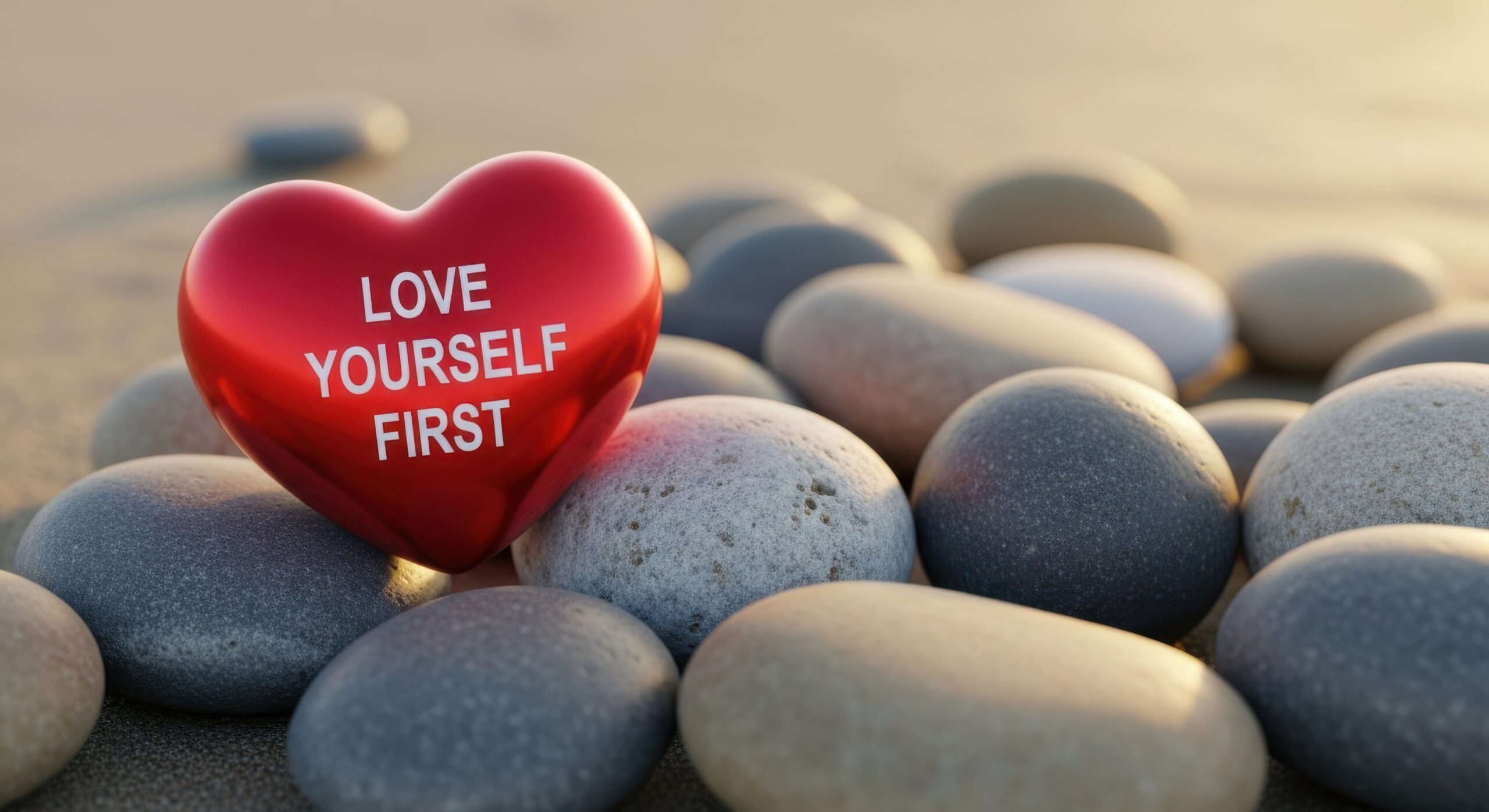

Somewhere along the way, many people lose the connection they once had with themselves. Life happens. Stress piles up. Mistakes are made. Painful experiences, addiction, heartbreak, or simply years of putting others first can slowly erode self-trust. You stop recognizing the person in the mirror — not because you disappeared, but because you stopped nurturing the relationship with yourself. Learning to love yourself again is not about becoming someone new. It’s about returning to who you were before the world told you to be smaller, quieter, or less deserving.
Self-love isn’t arrogance. It isn’t selfishness. It’s stability. It’s the foundation that allows you to move through the world without constantly seeking validation, approval, or escape. When you genuinely value yourself, you make decisions that protect your peace rather than sabotage it.
The first step in rebuilding that relationship is forgiveness. You cannot love someone you are constantly punishing, and that includes yourself. Many people carry silent shame for past decisions, words spoken, or paths taken. But growth requires compassion. The version of you that struggled was doing the best they could with the tools they had at the time. Instead of asking, “Why did I do that?” try asking, “What was I trying to survive?” That shift replaces judgment with understanding which creates space for healing.
Falling in love with yourself again also means rebuilding trust through action, not just thought. Confidence doesn’t come from affirmations alone. It comes from keeping promises to yourself. When you say you’ll go for a walk, go. When you say you’ll rest, rest. When you say you’ll stop engaging in something that hurts you, follow through. Every small promise you keep becomes evidence that you are someone worth trusting. Over time, that trust becomes self-respect.
Your internal dialogue matters more than most people realize. The brain listens to what you repeatedly tell it. If your inner voice is constantly critical, your nervous system remains in a state of threat. But when you begin speaking to yourself with patience and encouragement, your brain begins to relax. You feel safer inside your own mind. This isn’t about pretending everything is perfect. It’s about becoming someone who supports themselves, especially when surrounded by things that aren’t.
The energy you carry, your “vibe,” is not mystical. It’s psychological and emotional. It’s shaped by your thoughts, your nervous system, your sense of safety, and your beliefs about yourself. People who feel grounded and self-assured tend to move differently. They make eye contact. They breathe deeper. They don’t rush to prove their worth. This calm presence is magnetic, not because they are trying to attract attention, but because they are no longer chasing it.
When you love yourself, you stop abandoning yourself to fit into places you’ve outgrown. You stop tolerating relationships that drain you. You stop speaking about yourself in ways that reinforce pain. You begin to choose environments, people, and habits that reflect the respect you’ve built internally. The external world begins to mirror your internal state.
Optimizing the energy you put into the world starts with regulating your nervous system. Stress, anxiety, and unresolved emotional pain create tension that others can sense, even if nothing is said out loud. Practices like walking in nature, deep breathing, journaling, exercise, and simply allowing yourself to relax help reset your system. When your body feels safe, your mind follows and your outlook changes.
Presence is another powerful shift. When you’re constantly living in regret about the past or fear of the future, you miss the life happening right now. But when you slow down and engage fully in the present moment, you begin to experience life instead of just enduring it. You notice small things again. You laugh more easily. You become more open. This openness invites connection, opportunity, and peace.
It’s important to understand that loving yourself is not a single moment. It’s a series of choices. Some days will feel easy, others won’t. There will be days when old thoughts resurface. That doesn’t mean you’ve failed. It means you’re human. What matters is continuing to choose yourself, over and over, again and again.
As your relationship with yourself strengthens, something subtle begins to shift. You stop needing the world to validate your worth because you already know it. Ironically, this is often when life begins to reflect that confidence back to you. People respond differently. Opportunities appear. Not because the universe suddenly changed, but because you did. You are no longer operating from survival. You are operating from alignment.
You deserve to feel at home in your own mind. You deserve peace that isn’t dependent on circumstances. You deserve to look at yourself and feel compassion instead of criticism. This is not something reserved for other people. It is available to you, starting now, in small, quiet decisions to treat yourself with respect and care.
And if part of your journey includes healing from addiction, emotional pain, or a period where you lost yourself entirely, you don’t have to rebuild alone. Hickory House Recovery understands that rediscovering yourself is one of the most powerful parts of recovery. Our team is available 24/7 at 800-604-2117 to talk, listen, and help you find a path forward that supports your healing from the inside out. Sometimes, the first step toward loving yourself again is simply allowing yourself to be supported and making a phone call.