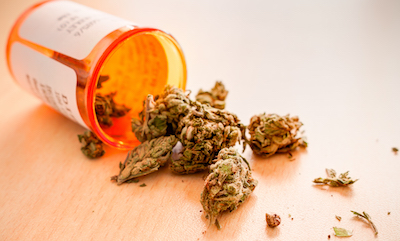

As cannabis becomes legal in more states across the U.S., many people assume it is safe simply because it’s regulated or widely used. But legalization does not equal harmlessness. While cannabis may have therapeutic benefits for some, research has increasingly shown a concerning association between cannabis use — especially high-potency products — and heart-related complications.
One of the most alarming risks is the potential connection between cannabis use and heart attacks, even in younger adults who have no prior heart disease. As cannabis becomes more normalized, it is more important than ever to understand how it affects the cardiovascular system and why these risks should not be ignored.
Cannabis is not a neutral substance for the cardiovascular system. THC — the psychoactive compound in marijuana — triggers several physiological responses that can create stress on the heart.
It increases a person’s heart rate, sometimes doubling within minutes. It raises blood pressure, especially right after use. Blood vessel functions are affected, often impairing dilation. It can cause inflammation and oxidative stress which can impact arteries. There’s also a surge in catecholamines — chemicals that activate the fight-or-flight response.
For individuals with underlying heart issues, or who don’t know they have them, this combination of effects can increase the risk of cardiovascular events.
Recent studies have raised concern about a correlation between cannabis use and an increased risk of heart attacks, especially within the first hour after using when the strain is the most dangerous. The sudden rise in heart rate and blood pressure increases the heart’s oxygen demand at the exact moment cannabis reduces oxygen supply. Even “occasional users” can experience heart strain immediately after use.
In addition, cannabis smoke, similar to tobacco smoke, contains toxins, tar, and chemicals that can irritate blood vessels and contribute to plaque buildup. With the rise of high-potency cannabis products like concentrates, edibles, and vapes, the cardiovascular impact may be even more pronounced.
Studies have found:
- Younger adults who use cannabis regularly show higher rates of heart attacks compared to non-users.
- Emergency rooms have seen an increase in cannabis-related cardiac events, including arrhythmias and chest pain.
- Some patients experiencing heart attacks had no known heart disease, suggesting cannabis may act as a trigger.
These findings do not mean cannabis always leads to heart attacks, but they reinforce that the risks are real and often underestimated, especially as public perception shifts toward viewing cannabis as “natural” or “safer than alcohol.” Many people use cannabis believing it is a harmless stress reliever, unaware that the physical effects on the heart can be significant.
As legalization spreads, cannabis is no longer limited to low-potency plant material. Today’s market includes highly concentrated products with THC levels far exceeding those of past decades. Concentrates, vapes, and edibles can contain 70–90% THC, making addiction and dependence more likely. This surge in potency can also magnify the cardiovascular effects.
Legalization also makes cannabis more accessible to all ages which makes it more socially accepted, minimizing perceived risk. People are now consuming more frequently, sometimes daily, at higher doses without even realizing it.
While anyone can experience adverse cardiovascular effects from cannabis, certain groups face higher risk, such as individuals with high blood pressure, people with obesity or diabetes, those with known or undiagnosed heart disease, young adults using high-potency THC regularly, or anyone mixing cannabis with alcohol, stimulants, or tobacco
Some people are surprised to learn that cannabis can trigger chest pain or tightness, shortness of breath, heart palpitations, dizziness or fainting, and anxiety accompanied by physical symptoms. These signs should never be ignored — especially in the hour following cannabis consumption.
Yes, you can become addicted to cannabis, even though many people assume it’s harmless or “non-addictive.” The clinical term is Cannabis Use Disorder (CUD), and it is a well-recognized medical condition.
Cannabis affects the brain’s endocannabinoid system, which regulates mood, reward, memory, and stress. Regular, repeated use can make the brain rely on THC to function normally. Over time, this can lead to rising tolerance to get the same effect. It can also conjure irritability, anxiety, or restlessness when not using, all of which are withdrawal symptoms, urging the user to increase the frequency of consumption, spurring addiction.
According to the National Institute on Drug Abuse (NIDA), about 30% of users may develop some degree of cannabis use disorder. Around 1 in 10 people who use cannabis will become addicted. And for those who begin as teenagers, the risk rises to 1 in 6.
Someone may have Cannabis Use Disorder if they:
- Use more or longer than intended
- Try but fail to cut down
- Spend a lot of time getting, using, or recovering from use
- Crave cannabis
- Use even when it causes problems at work, school, or in relationships
- Sacrifice hobbies or responsibilities
- Continue using despite anxiety, depression, or physical side effects
- Experience withdrawal when stopping
Cannabis addiction is often overlooked for several reasons, the main one being because of how socially accepted it has become with widespread legalization. It doesn’t always cause obvious impairment, so when compared to harder drugs, it doesn’t feel as threatening. Many believe psychological dependence “doesn’t count” but addiction is defined by loss of control, repeated harm, and inability to stop.
We are still learning about the long-term cardiovascular effects of cannabis, but early evidence consistently points toward caution. As legalization expands and potency rises, more data is showing that cannabis has real, measurable effects on the heart. If you or someone you love is struggling with cannabis use, dependence, or any other substance use disorder, you don’t have to face it alone. At Hickory House Recovery, we understand that addiction looks different for everyone — including those who never expected cannabis to become a problem. Reach out today at 800-604-2117 and take the first step toward a healthier future. We’re here when you’re ready.