
Alcohol is the most commonly used addictive substance in the United States. It’s also one of the most misunderstood. Deeply woven into social norms, celebrations, and everyday life, alcohol is often perceived as harmless. Yet beneath that normalization lies the complex reality that alcohol can significantly impact the body, mind, and overall well-being, especially when use becomes frequent or excessive.
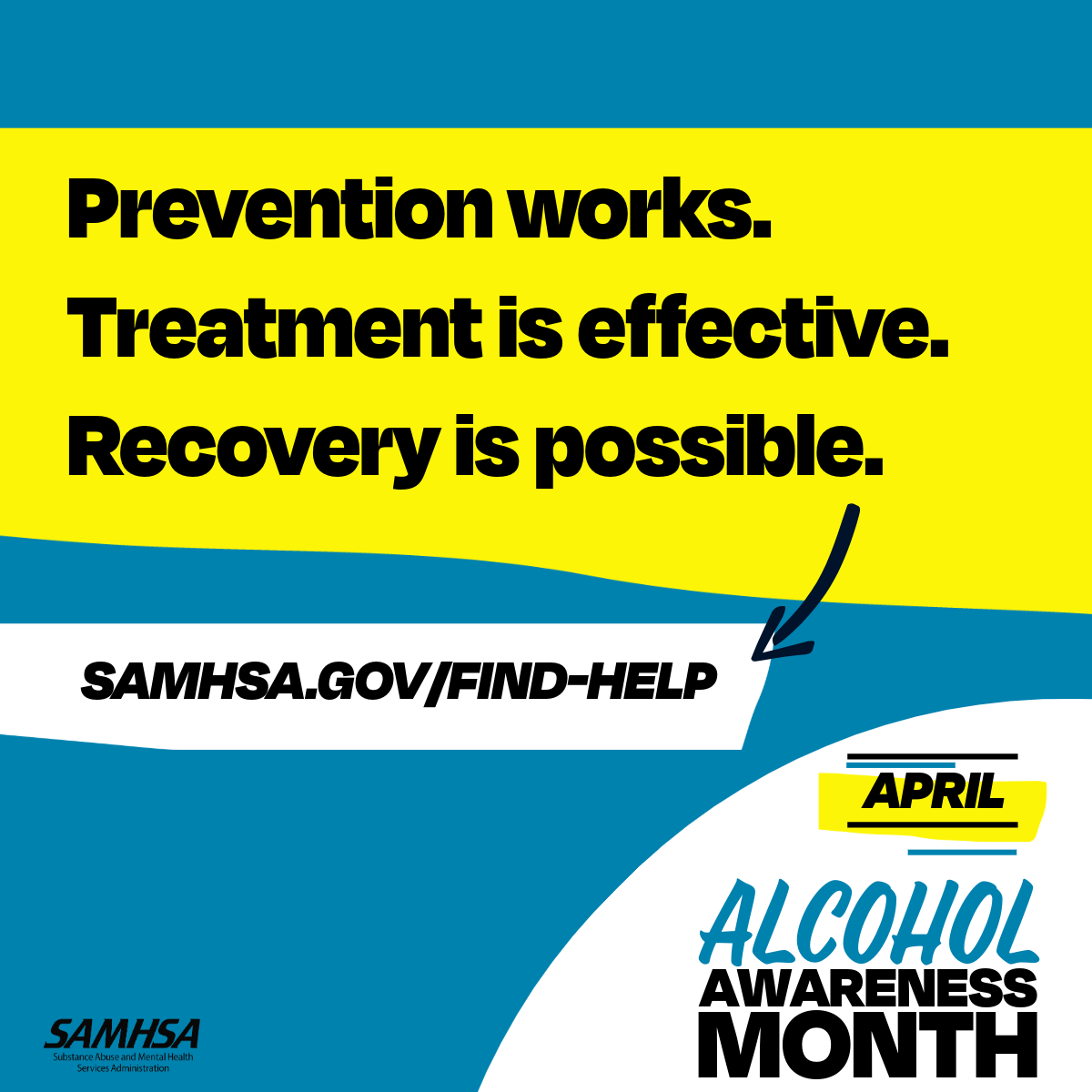
Each April, Alcohol Awareness Month — established by the National Council on Alcoholism and Drug Dependence — serves as a reminder to increase public understanding of alcohol-related harm, reduce stigma, and encourage those struggling to seek support. At its core, this month is about education, prevention, and hope.
What Alcohol Does to the Body and Brain
Alcohol, or ethanol, is rapidly absorbed into the bloodstream and quickly crosses the blood-brain barrier. As a central nervous system depressant, it slows brain activity and disrupts communication pathways that regulate mood, memory, and coordination.
In the short term, alcohol can cause:
- Impaired judgment and decision-making
- Slowed reaction time
- Memory lapses or blackouts
- Reduced coordination
While these effects may seem temporary, repeated exposure can lead to lasting consequences. Over time, heavy or prolonged drinking can alter brain structure and function, increasing the risk of cognitive decline, depression, anxiety, and dependence.
Physically, alcohol affects nearly every organ. The liver, responsible for processing alcohol, can become overburdened, leading to conditions such as fatty liver disease, alcoholic hepatitis, fibrosis, and cirrhosis. The cardiovascular system is also at risk, with increased chances of high blood pressure, irregular heartbeat, stroke, and heart disease.
Additionally, alcohol irritates the digestive system, interferes with nutrient absorption, and weakens the immune system. Even a single episode of heavy drinking can reduce the body’s ability to fight off illness for up to 24 hours.
The Scope of the Problem
Alcohol misuse remains a significant public health concern. According to the National Institute on Alcohol Abuse and Alcoholism, approximately 28.9 million people in the U.S. met the criteria for Alcohol Use Disorder (AUD) in 2023. Alcohol-related causes contribute to more than 178,000 deaths annually, making it one of the leading preventable causes of death in the country.
Beyond mortality, alcohol misuse is linked to over 200 diseases and injury-related conditions, affecting not only individuals but also families, workplaces, and communities.
Understanding Alcohol Use Disorder
AUD, commonly referred to as alcoholism, is a chronic, relapsing medical condition — not a moral failing or lack of willpower. It is characterized by an inability to control or stop drinking despite negative consequences.
AUD exists on a spectrum, ranging from mild to severe, and it does not always fit the stereotypes so often portrayed in the media. Many individuals maintain jobs, relationships, and daily responsibilities while silently struggling, sometimes referred to as “high-functioning” alcohol use.
Common signs of problematic alcohol use include:
- Drinking more or longer than intended
- Difficulty cutting down or stopping
- Increased tolerance
- Continued use despite emotional or physical harm
- Neglecting responsibilities or relationships
- Experiencing withdrawal symptoms when not drinking
Because alcohol is so socially accepted, the line between casual use and harmful behavior can become blurred, making it harder to recognize when help is needed.
The Link Between Mental Health and Alcohol Use
Alcohol and mental health are deeply interconnected. Many individuals turn to alcohol as a way to cope with stress, trauma, anxiety, or depression. While it may offer temporary relief, alcohol often worsens these conditions over time and can create a cycle of dependence.
There are also important biological and social considerations. For example, women may be more vulnerable to alcohol’s effects and are experiencing rising rates of alcohol use in recent years — partly influenced by stress and targeted marketing. Additionally, genetics and underlying mental health conditions can increase susceptibility to addiction.
Treating alcohol use effectively requires addressing these root causes and not just the behavior itself.
Challenging Misconceptions and Reducing Stigma
One of the biggest barriers to treatment is stigma. Misconceptions about alcohol use — such as the belief that addiction only affects those at “rock bottom” — prevent many from seeking help.
In reality:
- Addiction can affect anyone, regardless of background
- It often develops gradually, not suddenly
- Psychological dependence can be just as powerful as physical dependence
- Recovery is possible at any stage
By shifting the conversation from judgment to understanding, we create space for people to seek support without fear or shame.
Moving Toward Awareness and Action
Alcohol Awareness Month is an opportunity to reflect, learn, and take action. Whether that means reevaluating your own relationship with alcohol, supporting a loved one, or simply becoming more informed, every step matters.
Moderate drinking guidelines — defined as up to one drink per day for women and two for men — can help reduce risk. However, for some individuals, even moderate use may not be safe. Recognizing personal limits and warning signs is key to protecting long-term health.
A Path Forward
If alcohol use is impacting your health, relationships, or daily life, you don’t have to navigate it alone. At Hickory House Recovery, we understand that Alcohol Use Disorder is complex and that healing requires compassionate, individualized care that addresses both the physical and emotional aspects of addiction. This Alcohol Awareness Month, take a step toward clarity, support, and lasting change. Our team is available 24/7 at 317-947-6400 for a private, no-obligation conversation. Recovery is possible — and it can start today.