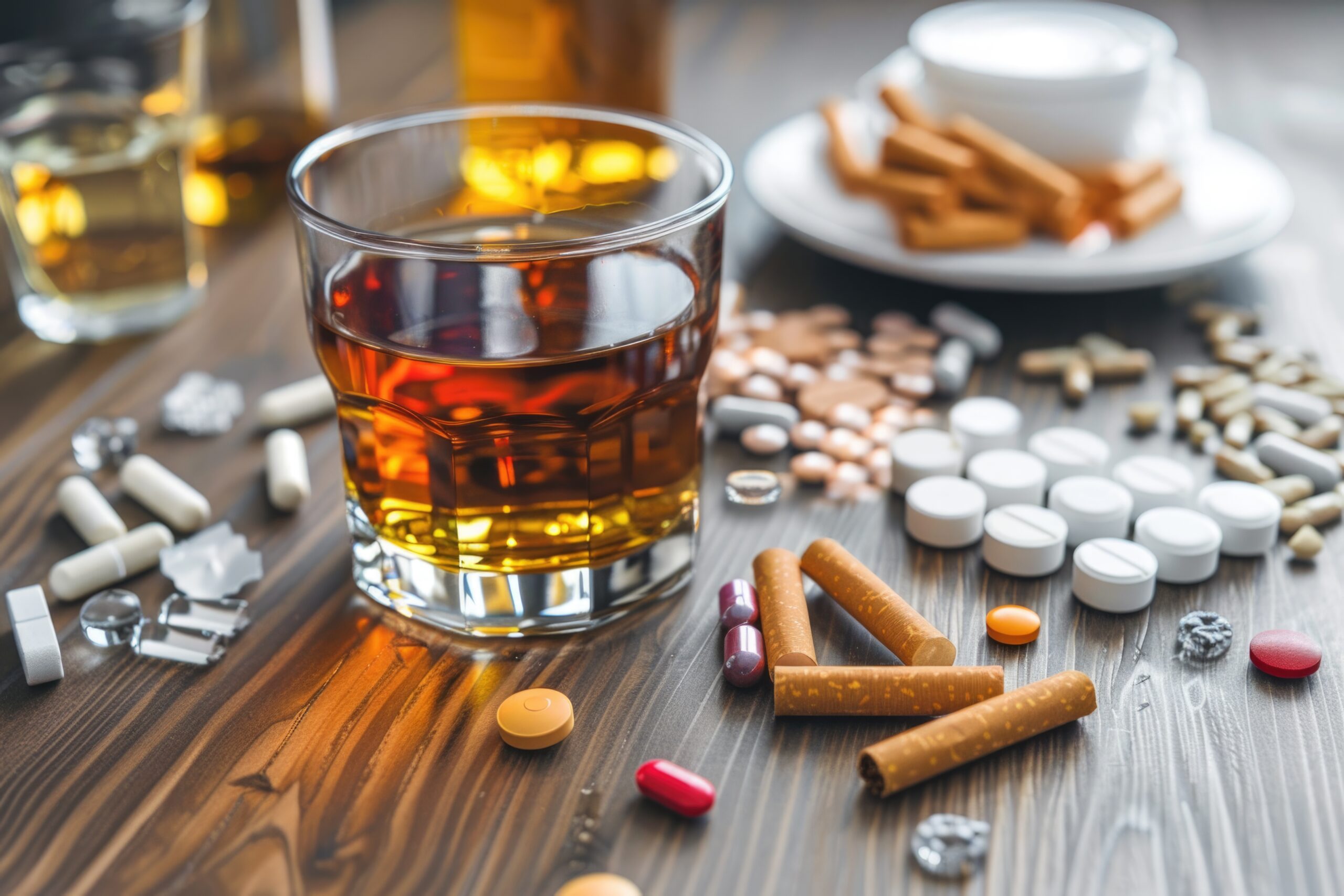

Addiction — clinically known as Substance Use Disorder (SUD) — is a medical condition that affects millions of people nationwide yet barriers to treatment persist. According to SAMHSA’s latest National Survey on Drug Use and Health, 48.4 million people over the age of 12 struggled with substance use disorders in 2024 — yet only 10.2 million people received specialized treatment.
For decades, addiction was misunderstood as a moral failing or a lack of willpower. Today, neuroscience tells a very different story. Addiction is a chronic, treatable brain disorder and understanding how it works can help more people seek the care they deserve.
Addiction affects the brain’s reward, motivation, memory, and self-control systems. It develops when repeated substance use rewires the brain in ways that make stopping incredibly difficult, even when someone wants to quit. The key word here is rewires. Addiction changes how the brain functions at a biological level.
At the center of addiction is the brain’s reward circuit which is a system designed to help us survive. When we eat, connect socially, or accomplish a goal, the brain releases dopamine — a chemical that creates feelings of pleasure and reinforces behaviors.
Substances like alcohol, opioids, methamphetamine, and nicotine flood this system with dopamine that is often 2 to 10 times more than natural rewards. The brain interprets this surge as something critically important for survival.
Over time, the brain produces less dopamine naturally. The reward system becomes less sensitive, making everyday pleasures feel muted or flat. Because of all of this, a person needs more of the substance just to feel “normal.” This process is called tolerance, and it’s one of the first biological markers of addiction.
The prefrontal cortex — the part of the brain responsible for decision-making, impulse control, and judgment — becomes weakened with repeated substance use. This is why someone with addiction may promise to stop but relapses anyway. It is the reason for risky decision making and continuing to use, despite the serious consequences.
It’s not about lacking character. The very part of the brain that helps control impulses is compromised. When people say, “Why don’t they just stop?” the science-based answer is:
Because addiction changes the brain’s ability to choose freely.
Trauma, chronic stress, and adverse childhood experiences can alter the brain’s stress response system. Substances often become a form of self-medication — a temporary way to quiet anxiety, depression, PTSD symptoms, or emotional pain. Unfortunately, over time, substance use increases stress hormones like cortisol, making anxiety and depression worse.
It becomes a vicious cycle of emotional pain that leads to substance use for relief, providing a temporary escape that actually increases brain stress and develops stronger cravings. Breaking that cycle requires more than detox. It requires treatment that addresses both the brain and underlying emotional drivers.
Like diabetes or hypertension, addiction is considered a chronic illness because:
- It can relapse
- It involves long-term brain changes
- It benefits from ongoing management
It’s also important to note that relapse does not mean failure. It’s just an indicator that treatment needs an adjustment. Research consistently shows that people who engage in structured treatment have significantly better outcomes than those who attempt to quit alone.
The human brain is remarkably adaptable — a concept known as neuroplasticity.
With sustained recovery, dopamine systems gradually rebalance, decision-making improves, emotional regulation strengthens, and cravings decrease in intensity. This healing takes time, but it is real.
Treatment supports this repair process through:
- Medical detox when necessary
- Evidence-based therapies such as Cognitive Behavioral Therapy, Dialectical Behavioral Therapy, and trauma-informed care
- Medication-assisted treatment when appropriate
- Structured support and accountability
- Family involvement and rebuilding connection
Recovery isn’t about becoming who you were before. It’s about building a stronger, healthier version of yourself.
When we understand that addiction is rooted in brain chemistry, treatable with evidence-based care, and influenced by genetics and environment, we move away from shame and toward a compassionate and more accurate perception of SUDs — and compassion saves lives.
If you or someone you love is struggling with substance use, you are not alone and you are not broken. The brain can heal with support and treatment can change lives. At Hickory House Recovery, we believe understanding the science behind addiction empowers people to seek help with confidence. Our evidence-based programs are designed with the understanding that recovery is more than stopping substance use; it’s rebuilding a life. Call 317-947-6400 any time of day or night to take your first step. Help is a phone call away.